If you work in startup fundraising, B2B sales, or growth marketing, you are undoubtedly familiar with DocSend. For years, it has been the undisputed heavyweight champion of document sharing.
We all know the standard workflow: You upload your 20-page pitch deck, generate a link, email it to an investor or a highly-qualified prospect, and then obsessively refresh your dashboard waiting to see if they spent more than ten seconds looking at your pricing slide.
DocSend solved a massive problem when it first launched. It took the blindfold off of outbound sales and finally gave professionals insight into what happened after they hit send.
But as the digital landscape has evolved, a growing number of founders and sales professionals are beginning to ask a very important question: Is this really the best we can do?
While DocSend provides great utility, its pricing model has become increasingly prohibitive for smaller teams, and the actual reading experience it provides to the end-user feels decidedly stuck in the past. If you are starting to feel the friction, you are not alone.
Let's dive into why modern sales teams are actively searching for DocSend alternatives, and explore the top platforms you should consider migrating to this year.
Turn Your PDFs into Lead Generation Machines
Start getting highly-qualified leads from your PDFs and landing pages today. It takes exactly 2 minutes to set up.
No credit card required • Sign up in 10 seconds
Why Teams Are Looking for Alternatives to DocSend
Before we look at the replacements, we have to understand the specific pain points that are driving the mass exodus from the platform. There are three core reasons why companies are seeking alternatives:
1. The Pricing Trap (Paying Per User) DocSend's pricing model is notoriously aggressive for growing teams. While it might seem affordable for a solo founder, the moment you want to equip your entire outbound sales squad with document tracking, the per-user pricing scales exponentially. You end up paying enterprise software prices just to host and track a handful of PDF files.
2. The Aggressive "Hard Gate" DocSend is famous for its strict email gates. When a prospect clicks your link, they are immediately hit with a blank screen demanding their email address before they can see a single word of your pitch. In today's high-friction digital world, this aggressive "hard gate" causes massive drop-offs. People simply do not want to hand over their contact information before knowing if the document is actually worth their time.
3. The Uninspiring UX (It's Just a PDF Viewer) This is perhaps the biggest offense. When a prospect finally passes the email gate, what is their reward? A standard, gray, clunky PDF viewer. It doesn't look premium. It doesn't feel engaging. In an era where user experience dictates brand perception, sending a high-value prospect to a boring, infinitely scrolling document viewer feels like a missed opportunity to impress them.
If you are tired of overpaying for an underwhelming experience, here are the best DocSend alternatives on the market right now.
1. ZipFlipbook: The Best Alternative for Interactive Experiences
If your primary goal is to share pitch decks, sales proposals, and lead magnets while maximizing reader engagement, ZipFlipbook is currently the most powerful DocSend alternative available.
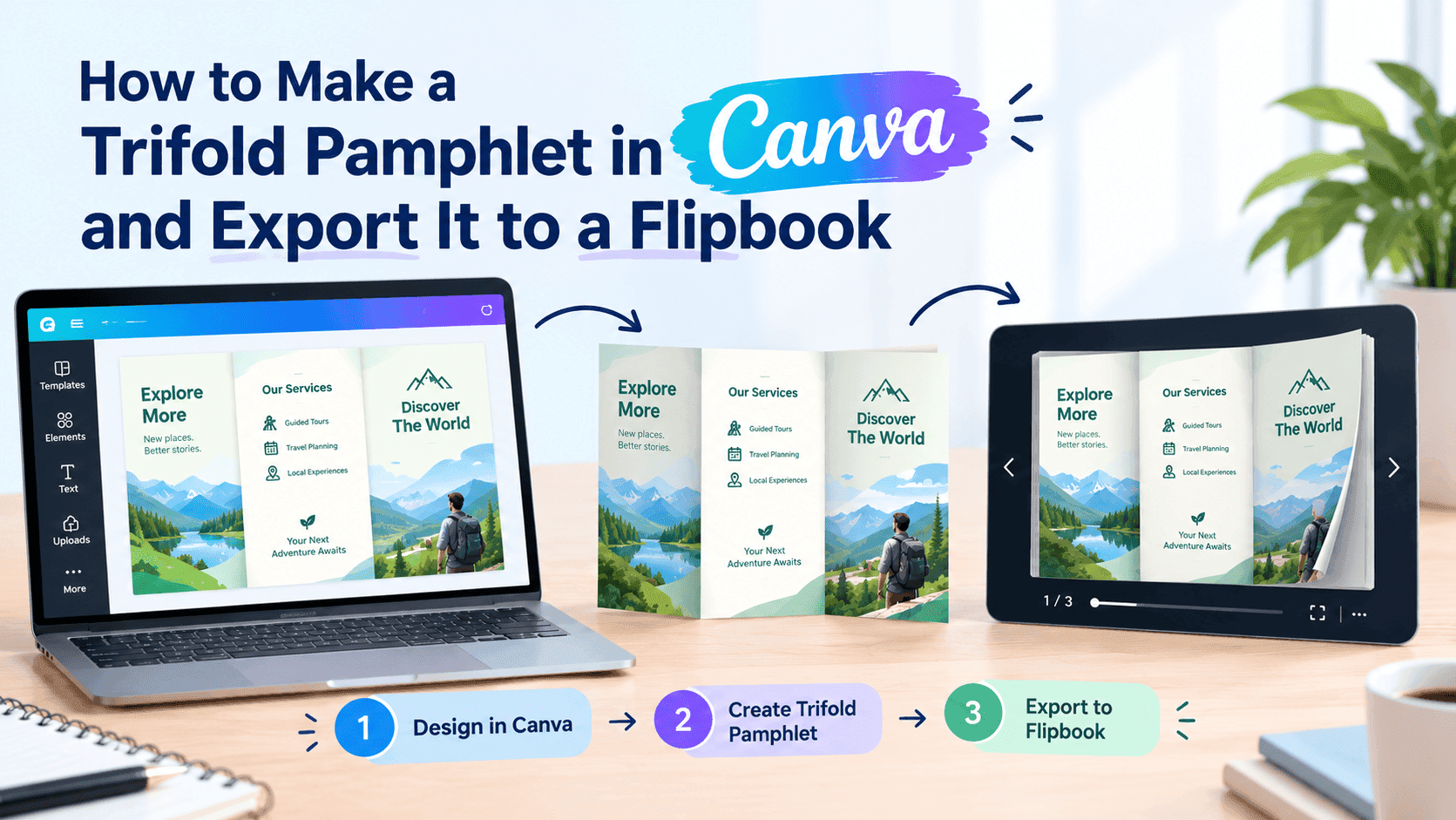
ZipFlipbook recognized that the fundamental problem with document sharing isn't just the tracking—it is the format itself. Instead of forcing users into a sterile PDF viewer, ZipFlipbook takes your standard documents and instantly transforms them into interactive, page-turning digital flipbooks.
Why it beats DocSend:
- The "Wow" Factor: When your prospect clicks a ZipFlipbook link, they are greeted with a highly polished digital magazine. The pages actually flip. The interface is clean, branded, and incredibly fast on both desktop and mobile. It elevates your brand from the very first click.
- The "Soft Gate" Advantage: Instead of DocSend's aggressive hard gate, ZipFlipbook allows for strategic "Soft Gating." You can let a prospect read the first two pages of your proposal completely for free. Once they are hooked and turn to page three, a non-intrusive lead capture form appears. This psychology of reciprocity drastically increases email conversion rates.
- Embeddable Media & CTAs: With DocSend, your document is dead text. With ZipFlipbook, you can draw clickable links right onto the pages. You can embed auto-playing YouTube product demos or even drop your Calendly link directly onto the final page, allowing prospects to book a meeting without ever leaving the pitch.
- Granular Analytics: You still get all the powerful analytics you expect—page views, average time on page, and drop-off rates—so your sales team knows exactly when and how to follow up.
- Operational Versatility: It isn't just for sales. Modern organizations use ZipFlipbook to host their interactive welcome guides and contractor safety manuals, pairing perfectly with visitor management systems and proposal management tools like the Entry2Exit Visitor Management System to create a completely paperless, secure corporate lobby experience to collect leads and signatures.
Turn Your PDFs into Lead Generation Machines
Start getting highly-qualified leads from your PDFs and landing pages today. It takes exactly 2 minutes to set up.
No credit card required • Sign up in 10 seconds
2. Pitch: The Best Alternative for Collaborative Deck Building
DocSend is purely a distribution tool; it doesn't help you actually make the presentation. If your team struggles with the design and collaboration phase of pitch decks, Pitch is a fantastic ecosystem to move into.
Pitch is essentially a modern, hyper-collaborative alternative to PowerPoint and Google Slides.
Why it's a great alternative: It allows your entire team to work on a presentation simultaneously, with gorgeous pre-built templates and seamless integration with tools like Notion and Slack. Once the deck is finished, Pitch has built-in sharing and analytics features. You can generate a link, track opens, and see which slides investors lingered on. While its tracking isn't quite as granular as a dedicated platform, having the creation and distribution happen in the exact same tool is a massive time-saver for design-heavy teams.
3. PandaDoc: The Best Alternative for Contracts & Proposals
If you are sending documents that require signatures, legally binding agreements, or complex pricing tables, PandaDoc is the heavyweight alternative you need.
DocSend is great for top-of-funnel pitch decks, but it falls apart when you get to the actual closing of a deal. PandaDoc is built specifically for the bottom of the sales funnel.
Why it's a great alternative: PandaDoc allows you to build highly customizable, interactive proposals. The recipient can select different pricing tiers from a dropdown menu, add optional services, and legally e-sign the document right then and there. It includes robust document tracking so you know exactly when the client is reviewing the contract. It is overkill if you are just sending a standard 5-page PDF, but for heavy B2B proposals, it is an absolute powerhouse.
4. Highspot: The Best Alternative for Enterprise Sales Enablement
If you are running a massive global sales team with hundreds of reps and thousands of marketing assets, simple link-tracking isn't going to cut it. You need a dedicated sales enablement platform, and Highspot is the leader in this space.
Why it's a great alternative: Highspot goes far beyond just sending a document. It uses AI to recommend the exact right piece of content to a sales rep based on the specific CRM stage the prospect is in. It organizes all of your company's collateral, trains reps on how to pitch it, and provides incredibly deep analytics on how content performs across the entire enterprise. It is vastly more expensive and complex than DocSend, but for enterprise organizations, it is the logical upgrade path.
For broader app and tool comparisons across productivity and AI, Your Tech Compass covers a wide range of digital tools with honest, reader-first reviews
Also read:
What is a digital Brochure, and how to make one in minutes
The Verdict: Which DocSend Alternative Should You Choose?
Choosing the right alternative comes down entirely to where your friction points are in your current workflow.
- If you need a unified tool to design and build presentations with your team, go with Pitch.
- If your primary focus is sending heavy quotes and getting e-signatures, you need PandaDoc.
- If you are an enterprise with hundreds of reps to manage, look at Highspot.
However, if your goal is to share pitch decks, sales proposals, and lead magnets in a way that actively impresses your prospects, bypasses spam filters, and drastically increases your lead conversion rates, then you need to upgrade your reading experience.
Stop forcing your high-value prospects into a clunky, gray PDF viewer hidden behind an aggressive paywall.